 Sunday 1st March is our patron saint day in Wales. The patron saint for Wales is St.David.
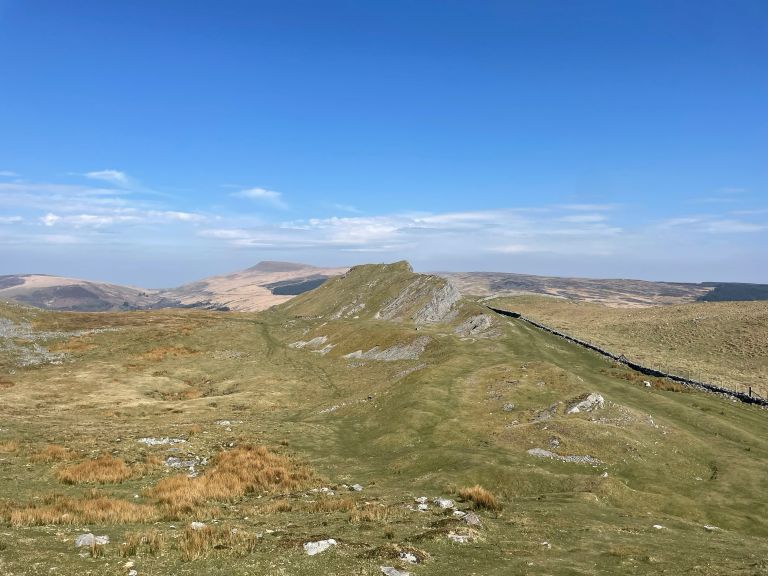
To celebrate Wales’ patron saint and the rugged beauty of the Welsh landscape, here are some fun facts! … From clifftop births to “moving mountains,” these stories are as epic as a day of gorge walking in the Brecon Beacons.
1. The Ultimate “Wild” Birth
Forget a cozy hospital; legend has it that St David was born around 500 AD on a Pembrokeshire clifftop during a fierce thunderstorm. The spot was so sacred that the pain of his mother, St Non, supposedly caused her fingers to leave marks in the rock, and the stone “split in sympathy.” You can still visit the ruins of St Non’s Chapel today, perched right on the edge of the dramatic Atlantic coast.
2. “Dewi Dyfrwr” – The Original Eco-Adventurer
St David was known as Dewi Dyfrwr (David the Waterdrinker). He was a strict ascetic who lived a life that would make a modern detox look easy. He stayed fueled for his travels across Wales and Brittany on a diet of bread, water and wild herbs (mostly watercress and leeks). He even insisted that his monks pull their own ploughs by hand rather than using oxen—talk about a functional fitness workout!
3. The Miracle of the “Moving Mountain”
One of David’s most famous “outdoor” miracles happened while he was preaching to a massive crowd in the village of Llanddewi Brefi. When those at the back complained they couldn’t see or hear him, the ground beneath his feet rose up to form a hill so everyone had a clear view. Today, a church still sits on top of that very “miraculous” mound.
4. Why the Leek? (It’s a Tactical Advantage)
Ever wonder why a vegetable is a national symbol? Legend says that during a battle against the Saxons, St David advised the Welsh soldiers to wear leeks in their caps so they could tell friend from foe in the heat of the fight. It worked, the Welsh won, and the leek became the ultimate badge of honor for Welsh adventurers.
5. Britain’s Smallest City is an Outdoor Haven
St Davids in Pembrokeshire is the smallest city in the UK, with a population of only about 1,600. Despite its size, it is a gateway to some of the best outdoor activities in the world, including coasteering.
6. “Do the Little Things”
St David’s most famous last words were “Gwnewch y pethau bychain” (“Do the little things”). For those of us who love the outdoors, this is a great motto to live by—whether it’s picking up a small piece of litter on the trail, closing a gate behind you, or simply taking a moment to appreciate the view from the summit.
7. A Landmark for Travelers
In the Middle Ages, the Pope declared that two pilgrimages to St Davids were equal to one pilgrimage to Rome. This turned the rugged trek across the Welsh landscape into one of the most popular “adventure” routes in Europe, long before the Wales Coast Path was officially a thing!
Planning your own Welsh adventure this spring? Whether you’re conquering the peaks of the Bannau Brycheiniog (Brecon Beacons) or exploring the hidden gorges of South Wales, channel your inner St David: stay hydrated, enjoy the “little things,” and embrace the wild Welsh weather!